

- May 9, 2026
12 Most Common Causes of Plumbing Leaks and How to Prevent Them | Indianapolis, IN
Why Plumbing Leaks Are Costly
Plumbing leaks in Indianapolis homes can cause severe water damage, expensive repairs, and frustrating disruptions. From burst pipes in winter to slow leaks behind walls, unnoticed issues often escalate into costly problems. High water bills, low water pressure, and hidden damp spots are common early warning signs. Understanding the causes helps homeowners act fast and prevent long-term damage.
Indianapolis experiences seasonal extremes, including freezing winters and spring thaws, which put additional stress on plumbing systems. Local knowledge is essential for timely repair and preventive maintenance.
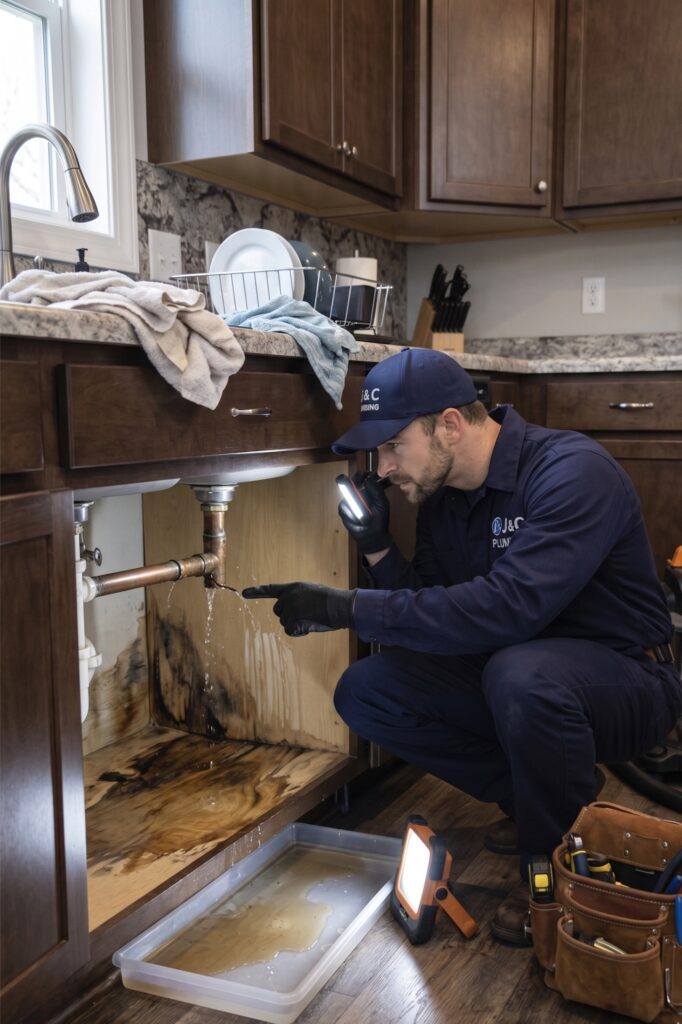
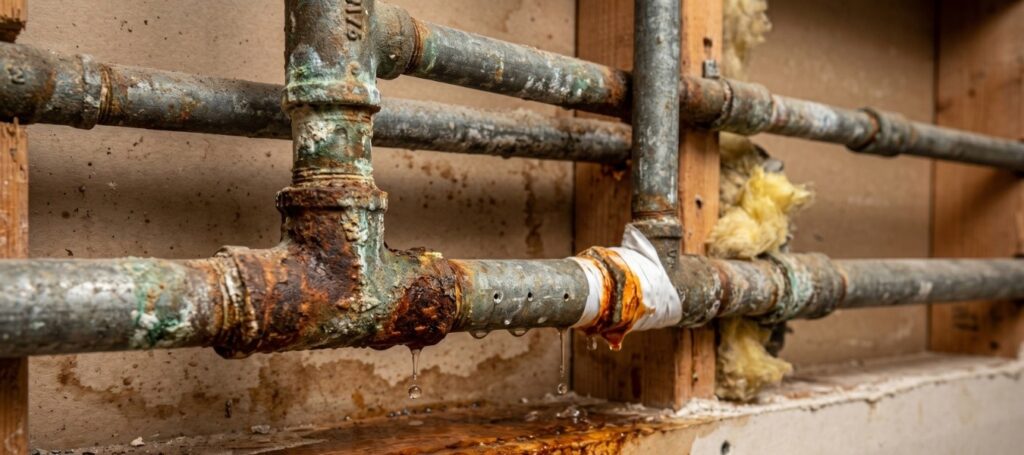
1. Corroded Pipes and Aging Plumbing
Older pipes, especially galvanized or iron, naturally corrode over time. Signs include discoloration, rust spots, and small leaks around joints. Corrosion can eventually lead to water contamination or burst pipes. Many Indianapolis neighborhoods with historic homes experience this regularly. Homeowners should schedule inspections to detect early corrosion, particularly in bathroom sinks and kitchen sink drains.6
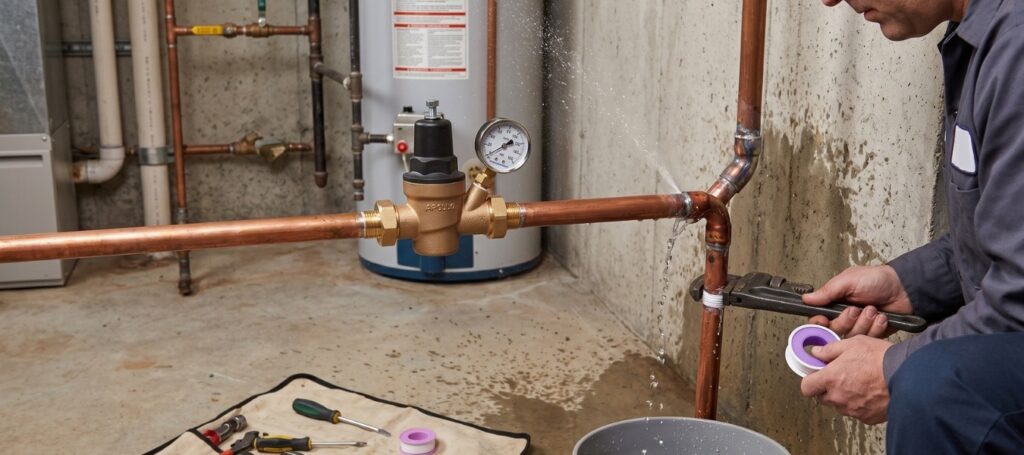
2. High Water Pressure
Excessively high water pressure can damage pipe joints and cause leaks. Symptoms include dripping faucets, water hammer, and worn-out washers or gaskets. Causes include municipal supply fluctuations or faulty pressure regulators. High pressure accelerates wear in slab leaks and old bathroom sinks. Installing a pressure regulator and routine checks prevent long-term damage.
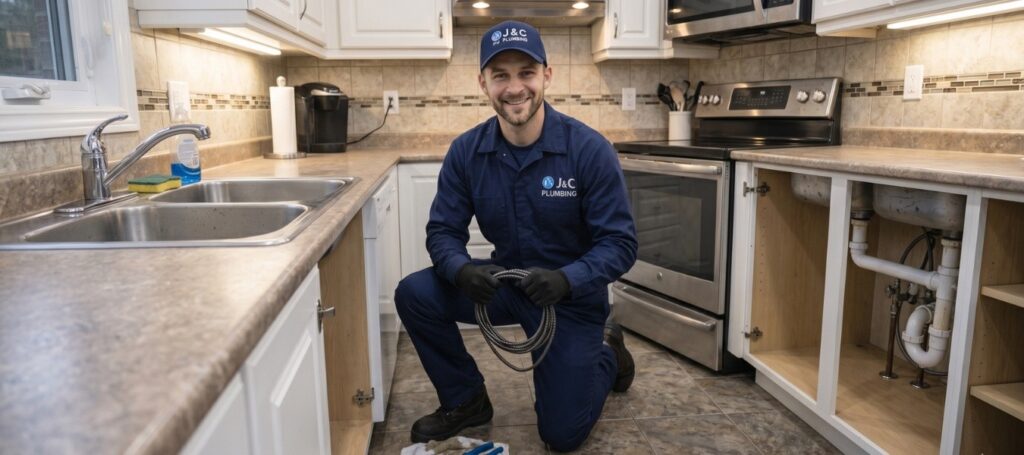
3. Clogged Drains and Sewer Lines
Hair, grease, soap buildup, and flushing the wrong items can block drains. Early signs include slow drainage, gurgling sounds, and foul odors. DIY methods may temporarily clear sink drains or toilet clogs, but persistent problems often require professional cleaning to prevent pipe damage and backups.
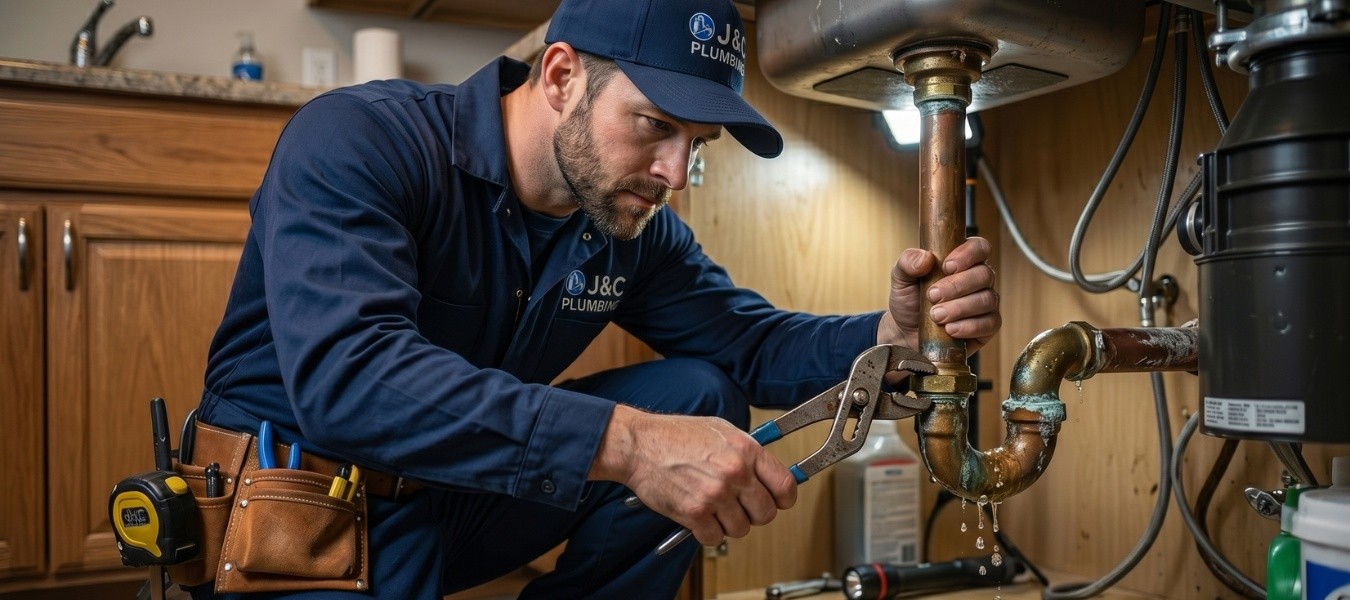
4. Damaged or Loose Pipe Joints
Elbow joints and T-connections are common leak points, especially if improperly installed or disturbed during DIY projects. Regular inspections and tightening connectors can prevent small leaks from turning into water damage events. Check kitchen sink leaks and bathroom sink supply lines frequently.
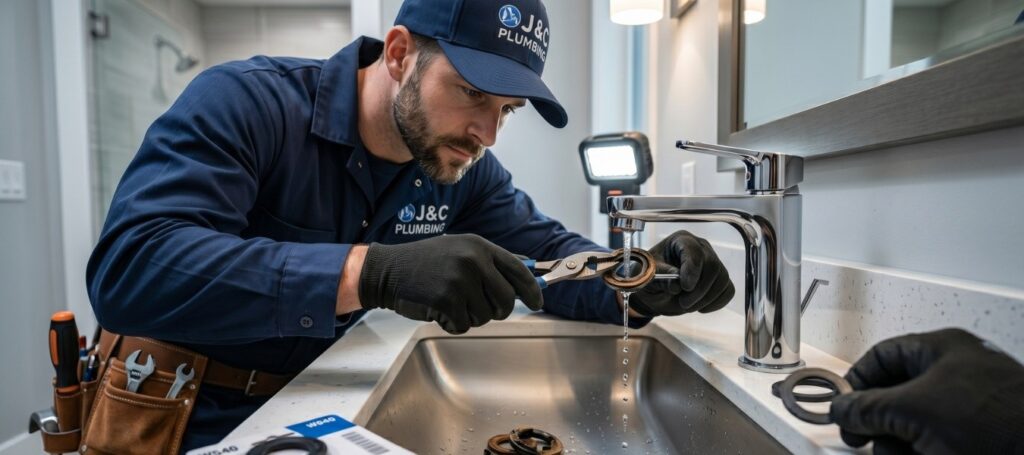
5. Faulty Seals, Gaskets, and Washers
Worn-out washers or gaskets in faucets, showerheads, toilets, and appliances can drip consistently. Early detection of these issues can save hundreds in water damage repairs. Replacing seals promptly ensures reliable performance.
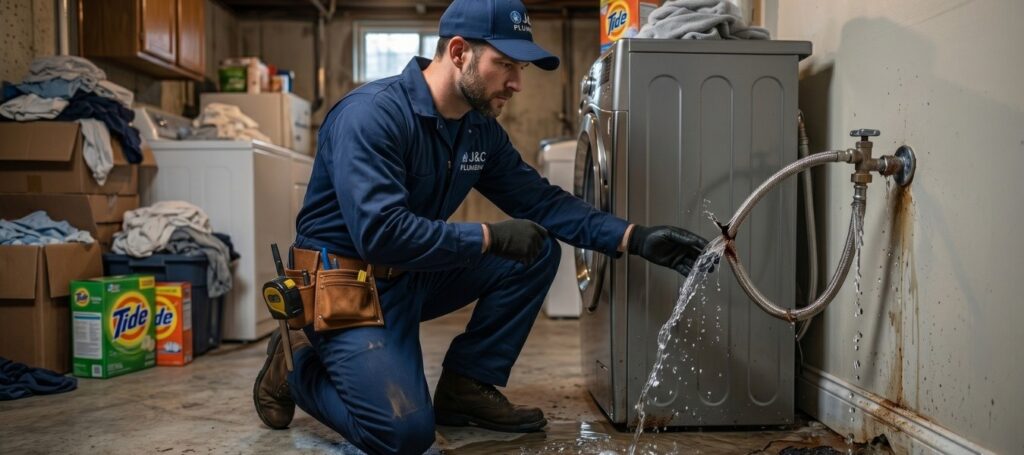
6. Water Heater Leaks
Signs of water heater leaks include puddles, unusual noises, or rusty water. Causes range from tank corrosion to pressure relief valve failures or loose fittings. Winter maintenance is crucial in Indianapolis to prevent frozen pipes or heater malfunctions.
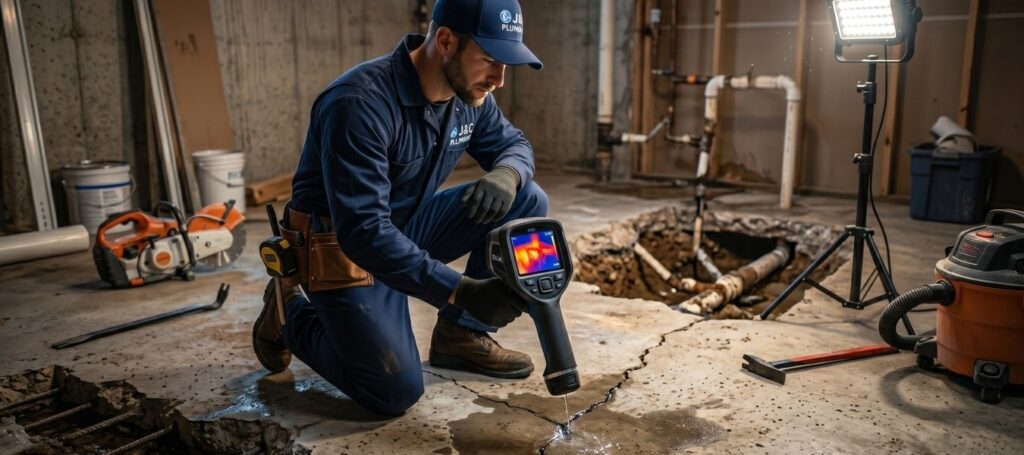
7. Slab Leaks and Foundation Shifts
Leaks beneath concrete floors (slab leaks) often result from pipe corrosion or foundation movement. Early warning signs include warm floor spots, unexpectedly high water bills, or ceiling water stains. Detection usually requires specialized cameras and sensors
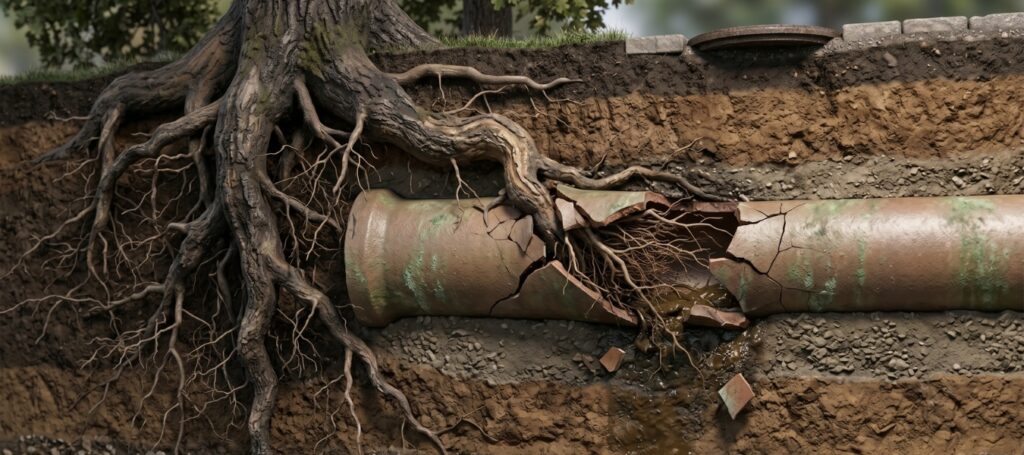
8. Intruding Tree Roots
Tree roots penetrate sewer and water lines, causing blockages and leaks. Early signs include slow drains, repeated clogs, or gurgling sounds in pipes. Regular professional inspections and root barriers prevent major damage.
9. Cracked Fixtures and Appliance Supply Lines
Fixtures like sinks, toilets, dishwashers, washing machines, and refrigerators can develop small cracks or leaks. Even minor leaks escalate if ignored, leading to water damage in floors or cabinets. Regular checks of kitchen sink leaking points and appliance connections help catch problems early.
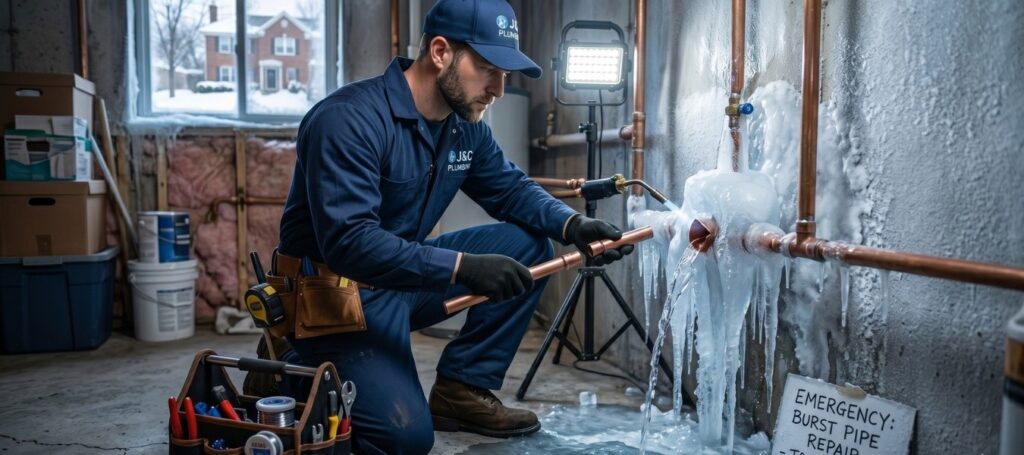
10. Extreme Temperature Changes
Indianapolis winters can freeze pipes, while hot summers expand them. Both conditions can crack pipes and fixtures. Insulating pipes and seasonal inspections minimize risk, especially for exposed bathroom sinks and water heater lines.
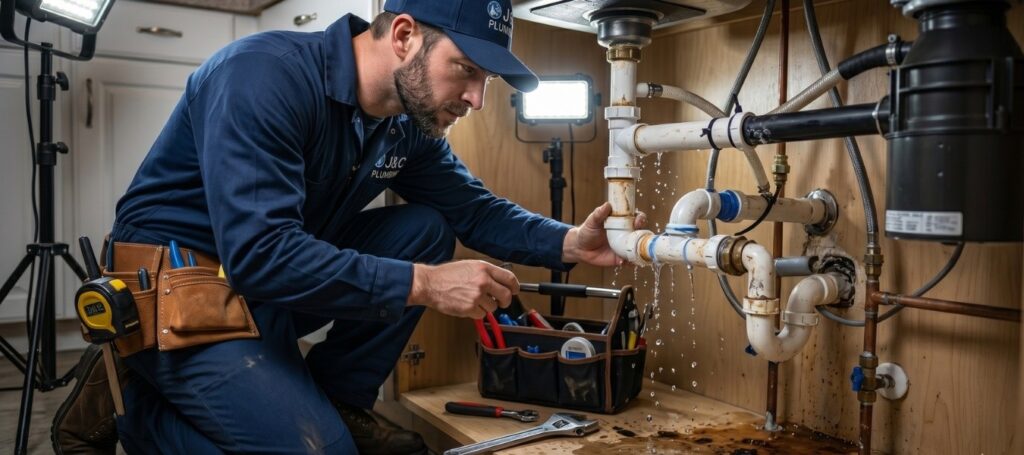
11. Poor Installation or DIY Plumbing Repairs
Unlicensed or shortcut installations can cause leaks. Common mistakes include misaligned pipes, loose fittings, or improper sealing. Always hire licensed professionals for new installations or significant repairs.
12. Underground Shifts and Construction Damage
Roadwork, digging, or ground settling in Indianapolis neighborhoods can damage underground lines. Early detection via professional inspections prevents long-term issues.
How to Find the Source of a Plumbing Leak
Inspect visually for dripping or puddles, listen for running water behind walls, and use leak detection tools. Document any unusual water pressure changes. If unsure, call a licensed Indianapolis plumber to prevent escalation.
Preventive Measures to Avoid Costly Water Damage
- Routine inspection schedules for all sink drains and bathroom sinks.
- Check and regulate water pressure regularly.
- Winterize pipes and water heaters.
- Maintain appliance supply lines (dishwasher, washing machine, refrigerator).
What to Do When You Discover a Leak
- Shut off water supply immediately.
- Contain damage and remove valuables from the area.
- Call a licensed Indianapolis plumbing service for inspection and repair.
Call us 24/7 for emergency leak detection and repairs!
Small Leaks Can Turn Into Big Problems
Even minor leaks under sinks or behind walls can escalate into significant water damage, mold growth, and structural issues if ignored. Slab leaks are particularly dangerous due to delayed detection.
Why Choose Local Indianapolis Plumbers
Local expertise ensures fast response, proper knowledge of area plumbing systems, and licensed, insured service. Preventive advice and reliable repairs help homeowners avoid costly emergencies.
What are the early signs of a plumbing leak?
Dripping faucets, low water pressure, water stains, puddles near appliances.
Can I fix small leaks myself?
Minor faucet leaks can sometimes be fixed, but most pipe or slab leaks require professional tools and expertise.
How often should I inspect my plumbing?
Annually for drains, faucets, and water heaters; twice a year for pipes exposed to extreme temperatures.
What causes water pressure to increase suddenly?
Municipal supply changes, pressure regulator issues, or blockages in pipes.
How can I prevent tree root intrusion?
Schedule regular sewer inspections, install root barriers, and avoid planting large trees near pipelines.
What is a slab leak and how is it detected?
Leaks under concrete floors due to pipe corrosion or foundation movement. Detection requires specialized cameras and sensors.
When should I call an emergency plumber?
For burst pipes, water heater leaks, overflowing toilets, or leaks causing significant water damage.

