

- May 13, 2026
Water Softeners for Homeowners: Everything You Need to Know
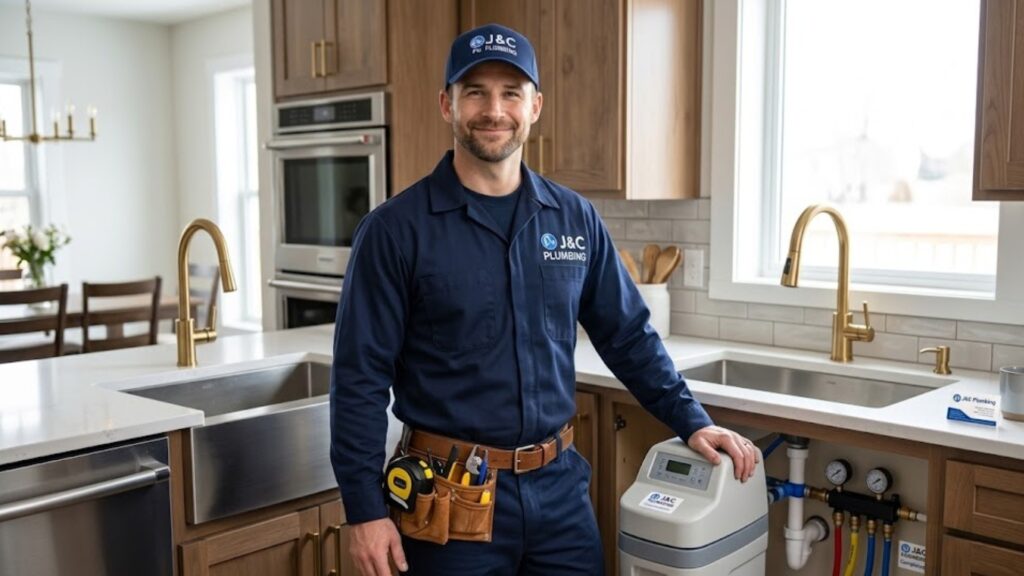
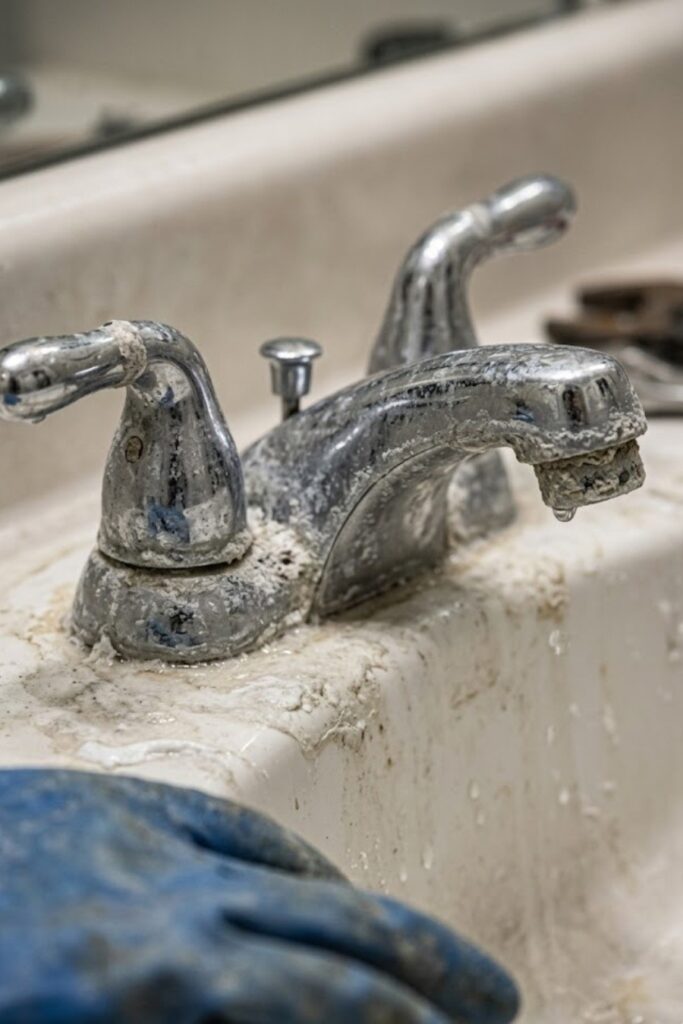
Hard water is a common problem in homes across the U.S., especially in areas like Indianapolis, IN, where naturally occurring minerals like calcium and magnesium enter your water supply. While these minerals aren’t harmful to drink, they can wreak havoc on plumbing, appliances, laundry, and even your skin and hair. From streaky dishes to scaling in water heaters, the effects are frustrating, costly, and often preventable.
If you’ve ever noticed white chalky residue on your faucets, dull laundry, or poor soap lather, a water softener could be your solution. This comprehensive guide will walk you through everything you need to know from understanding hard water to choosing the right system, installation, maintenance, and long-term care. By the end, you’ll be equipped to make informed decisions, select the right water softener for your household, and protect your home’s plumbing system.
Case Study: One Indianapolis family noticed their water heater failing every two years due to heavy scaling. After installing a dual-tank salt-based softener, their water hardness dropped from 14 GPG to under 1 GPG, and their appliances lasted 3+ years longer.
What Is Hard Water and Why It Matters
Hard water contains high levels of calcium and magnesium ions. These minerals can build up in pipes, water heaters, and appliances, forming scale that reduces efficiency and lifespan. Common signs include white spots on dishes and glassware, soap scum in sinks and showers, dry skin, and stiff laundry.
Quantifying Hardness: Water hardness is measured in grains per gallon (GPG) or milligrams per liter (mg/L). Moderate hardness is 3-7 GPG, hard water is 7-10 GPG, and very hard water exceeds 10 GPG. Homes with higher levels experience faster appliance wear and increased cleaning time.
Example: A three-person household using 225 gallons per day with 12 GPG water noticed their dishwasher left streaks on glassware despite using premium detergent. A properly sized water softener eliminated the issue within days.
How Water Softeners Work
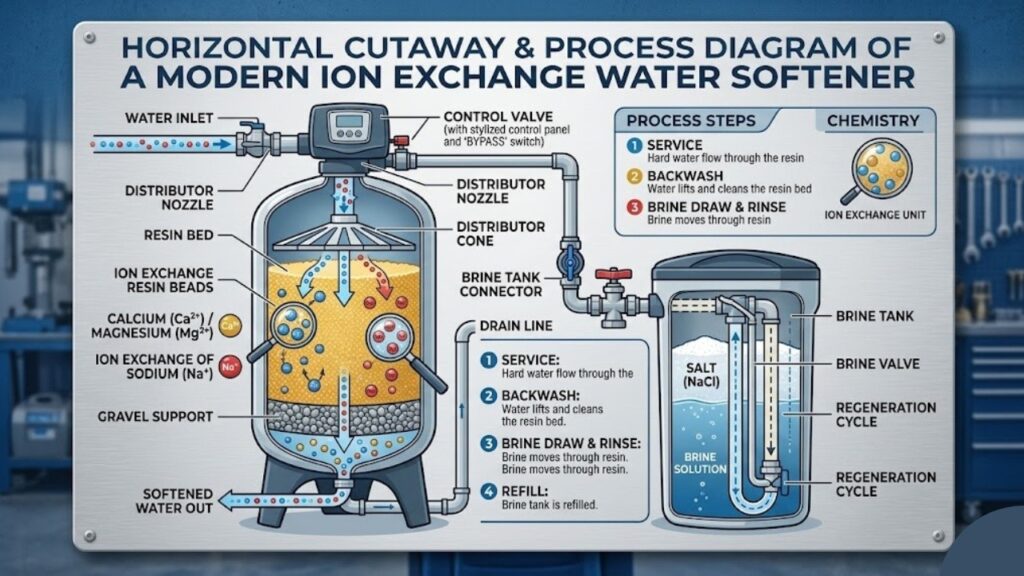
Water softeners primarily use ion exchange to remove hardness minerals. Resin beads inside the tank attract calcium and magnesium ions, swapping them for sodium or potassium ions. This produces softer water that protects pipes, appliances, and your skin.
Types:
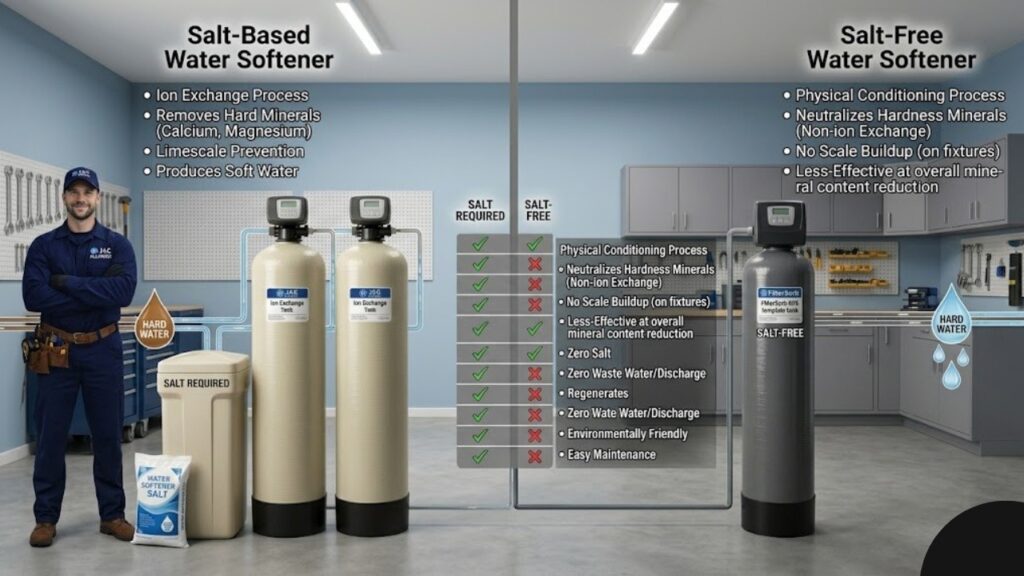
- Salt-based systems: Most common; require periodic salt refills and regeneration cycles.
- Salt-free systems: Magnetic or polyphosphate-based; prevent scale but don’t remove minerals.
- Full filtration hybrids: Combine softening with contaminant removal for comprehensive treatment.
Flow & Usage: Water passes through the resin bed, where minerals are captured. The system’s efficiency depends on household water flow and daily usage. Dual-tank systems allow continuous soft water even during regeneration cycles.
Case Study: In a large Indianapolis home with variable water use, a dual-tank salt-based softener reduced hardness from 14 GPG to 0.8 GPG, eliminating scale in the water heater and reducing energy bills by 12%.
Common Failure Points: Resin fouling, salt bridging, and low flow rates can reduce effectiveness. Use tools like water hardness test kits and flow meters to monitor performance.
Types of Water Softeners
Salt-Based Water Softeners
- Single-tank: Suitable for small homes; regenerates periodically.
- Dual-tank: Continuous soft water for large households; ideal for back-to-back usage.
- Pros: Highly effective at removing hardness minerals.
- Cons: Requires regular salt refills; installation is more complex.
- Cost: $500–$2,500 depending on capacity.
Salt-Free Water Softeners
- Magnetic/electromagnetic systems: Reduce scale; low maintenance.
- Polyphosphate systems: Neutralize minerals; slow buildup in pipes.
- Full filtration: Softens water and removes contaminants.
- Limitations: May not fully remove hardness minerals in very hard water areas.
Comparison Table:
Type | Maintenance | Effectiveness | Cost | Best for |
Single-Tank Salt-Based | Medium | High | $500-$1,500 | Small homes |
Dual-Tank Salt-Based | Medium | Very High | $1,000-$2,500 | Large homes |
Magnetic | Low | Medium | $300-$800 | Small to medium homes |
Polyphosphate | Low | Medium | $400-$900 | Small to medium homes |
Choosing the Right Water Softener
Household Water Usage & Hardness
- Match system to gallons used per day and water hardness.
- Small: <200 gallons/day, Medium: 200–400 gallons/day, Large: 400+ gallons/day.
Capacity
- Grain capacity determines how often regeneration is needed.
- Example: A 32,000-grain system supports a family of four with 10 GPG hardness for 7-10 days before regeneration.
Available Space
- Consider floor space, plumbing access, portable options for apartments.
Bypass Valve
- Manual or automatic; allows maintenance without shutting off water.
Regeneration Cycles
- Metered: Based on actual water usage; efficient for variable consumption.
- Timed: Regenerates on schedule; suitable for consistent usage.
Installation Tips
- Professional installation recommended, especially for older copper or PVC plumbing.
- Site prep: clear area, shut off main water, connect drainage.
- DIY pitfalls: leaks, improper flow rate, incorrect salt refill procedures.
Example: A DIY install in an older home led to a small leak; professional inspection prevented costly damage.
Care & Maintenance
Cleaning the Water Softener
- Refill salt every 4-8 weeks depending on usage.
- Clean brine tank, check resin bed, inspect for salt bridges.
Maximizing Lifespan
- Regular servicing, monitoring, corrosion prevention.
- Smart systems offer remote alerts for low salt or system errors.
Case Study: Using smart softener monitoring, a family extended system lifespan by 3 years and reduced maintenance visits by 40%.
How do I know if I have hard water?
Look for white scale, soap residue, and test using a home kit.
Best softener for small households?
Single-tank salt based or compact salt free models.
Is softened water safe to drink?
Yes, sodium levels are safe; consult a doctor if on low sodium diet.
How often to add salt?
Typically every 4-8 weeks; monitor brine tank levels.
DIY install possible?
Possible but professional installation ensures long-term performance.
Environmental impact of salt-based systems?
Sodium discharge can affect municipal wastewater; consider salt-free alternatives if necessary.
Conclusion
Hard water impacts plumbing, appliances, and daily routines. Choosing the right water softener considering system type, capacity, household water usage, and maintenance protects your home and improves water quality. Regular care and monitoring extend system lifespan, while smart alerts can simplify management.

