- May 16, 2026
Hydro Jetting Benefits for Indianapolis Homes: How It Clears Tough Drain and Sewer Line Clogs
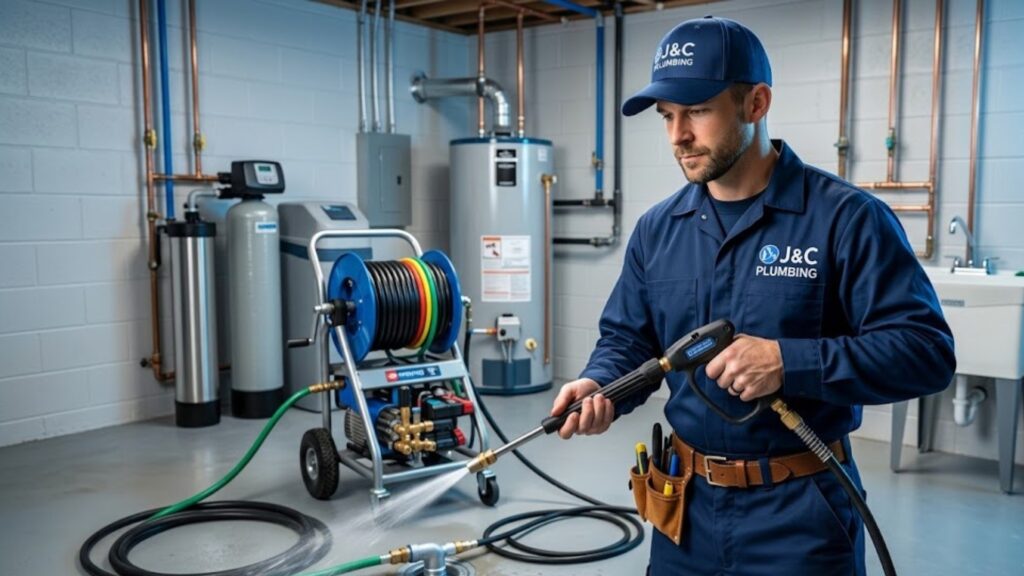
A slow drain is annoying at first. Then it becomes a pattern.
The kitchen sink drains slowly after dinner. The shower fills around your ankles. The basement drain smells bad after heavy rain. You try a plunger, maybe a bottle of drain cleaner, and the problem seems better for a week. Then it comes back.
That is where many Indianapolis homeowners start asking about hydro jetting benefits.
Hydro jetting is not just another drain cleaning trick. It is a professional plumbing technique that uses high-pressure water to clean the inside of drain lines and sewer lines. Instead of poking a small hole through a clog, it helps clear grease, sludge, soap deposits, tree roots, mineral scale, and years of buildup from the pipe walls.
That matters in Indianapolis. Local water is considered hard because of calcium and magnesium, with Citizens Energy Group reporting average hardness around 320 ppm, or 19 grains per gallon. Hard water can add to mineral scale concerns around plumbing fixtures and water-using appliances.
If clogs keep coming back, the cleanest fix may not be more chemicals. It may be a proper inspection and a professional hydro jetting service.
What Are the Main Benefits of Hydro Jetting?
The main hydro jetting benefits are deeper pipe cleaning, stronger clog removal, better drain performance, fewer repeat blockages, and chemical-free cleaning. It can help homeowners clear tough drain and sewer line buildup while protecting long-term plumbing flow when handled by trained professionals.
Hydro jetting is useful when regular drain cleaning does not last.
It can help with:
Problem | How Hydro Jetting Helps |
Grease buildup | Breaks it loose from pipe walls |
Sludge | Flushes thick residue from the line |
Tree roots | Cuts and clears some root intrusion |
Soap deposits | Removes sticky bathroom buildup |
Mineral scale | Helps clear hardened buildup |
Recurring clogs | Cleans more than a small opening |
Foul odors | Removes trapped waste and residue |
Slow drains | Restores better pipe flow |
A strong opinion here: hydro jetting should not be sold as magic. It works best after a camera inspection confirms the pipe can handle the pressure.
What Is Hydro Jetting?
Hydro jetting is a drain cleaning method that sends high-pressure water through a specialized hose and nozzle. The water sprays in multiple directions, breaks up blockages, scrubs pipe walls, and flushes debris out of the plumbing system.
A plumber may use hydro jetting for a drain line, sewer line, main sewer line, kitchen line, or commercial drain.
Many hydro jetting machines can use water pressure in the 3,000 to 8,000 PSI range. The right pressure depends on the clog, pipe material, pipe condition, and line size.
Think of it this way.
A drain snake is like poking a tunnel through packed snow. Water can pass for a while. Hydro jetting is more like clearing the whole path.
That difference matters when the clog is not one object. Many clogs are layers. Grease catches food. Soap catches hair. Hard water leaves scale. Sludge settles. Roots find weak spots. Over time, the pipe opening gets smaller.
Hydro jetting gives the pipe a fresh start when the pipe is healthy enough for it.
For local homeowners, this can pair well with drain cleaning in Indianapolis when slow drains keep returning.
How Does Hydro Jetting Work Step by Step?
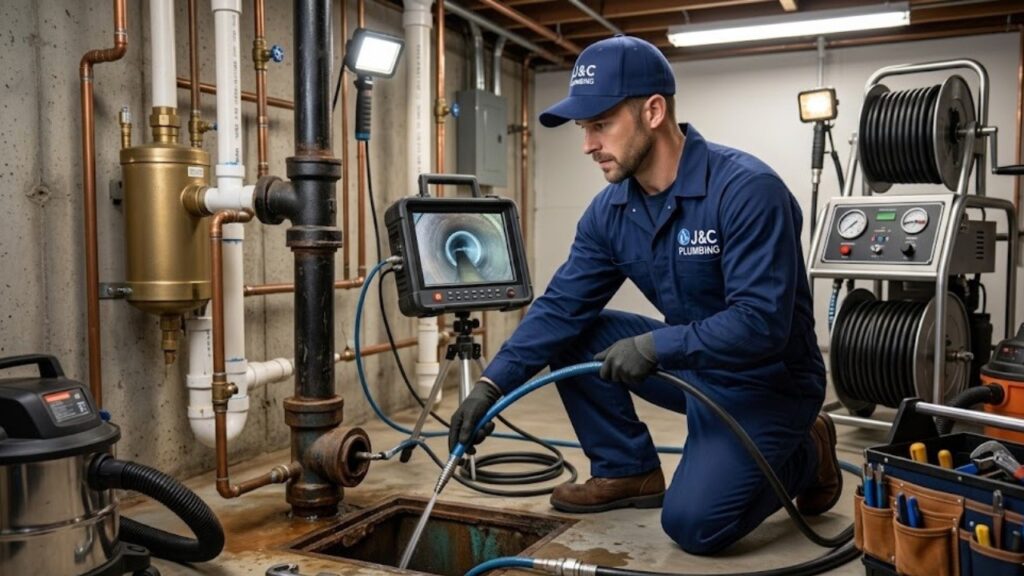
A professional hydro jetting service usually starts with inspection, then access, water jetting, debris flushing, and a final check. The goal is not just to clear the immediate blockage. The goal is to clean the pipe walls and restore better flow.
Step 1: The plumber checks the symptoms
A licensed plumber starts with simple questions.
Are several drains slow?
Do you hear gurgling sounds?
Does the basement drain smell?
Did snaking help only for a few weeks?
These answers help locate the problem.
Step 2: The pipe gets inspected
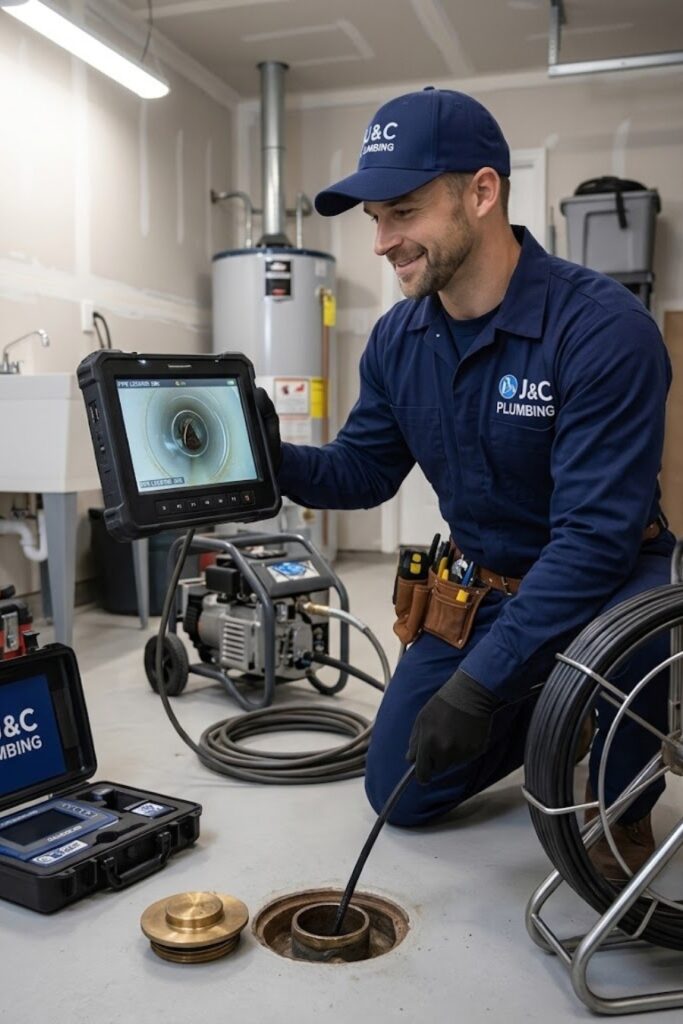
A sewer camera inspection can show the blockage location. It can also reveal pipe damage, root intrusion, corrosion, or a collapsed line.
This step matters most in older Indianapolis homes. Hydro jetting is powerful. That power is helpful only when the pipe condition is good enough.
Step 3: The jetting hose enters the line
The plumber inserts a flexible hose through a cleanout or drain access point. A specialized nozzle sprays water forward and backward.
The backward jets help pull the hose through the pipe. The forward jet helps break up the obstruction.
Step 4: High-pressure water clears the buildup
The water streams blast grease, sludge, soap deposits, debris, and some tree roots from the pipe walls.
Step 5: The line gets flushed and checked
The loosened debris moves out of the line. A final check can confirm better flow.
A common failure point is skipping the inspection. That is how a helpful tool becomes a risky one.
Why Do Indianapolis Homeowners Choose Hydro Jetting?
Indianapolis homeowners often choose hydro jetting because local homes can face recurring clogs, older sewer lines, mature tree roots, basement drain problems, and hard water buildup. These issues often need more than a quick snake or store-bought drain cleaner.
Some Indianapolis homes have older plumbing systems. Some neighborhoods have mature trees near sewer lines. Many families use kitchen drains heavily. Hard water can also leave mineral buildup over time.
A typical local case looks like this.
A homeowner has a kitchen sink that clogs every few months. A basic snake opens the line. But the clog returns. The real issue is grease and food residue coating the pipe walls. Hydro jetting clears more of the buildup, so the drain performs better for longer.
Another common case involves a main sewer line. The warning signs are different. Several drains run slow. A toilet gurgles. A basement floor drain smells bad. That may point to a deeper sewer line issue, not just a sink clog.
In that case, sewer line cleaning or sewer line repair may be the right next step.
What Are the Biggest Hydro Jetting Benefits?
The biggest hydro jetting benefits come from full pipe cleaning. It removes tough buildup, improves water flow, lowers the chance of repeat clogs, avoids harsh chemicals, and can reduce future emergency drain calls when used on the right pipes.
First, it clears stubborn clogs.
Grease, sludge, hair, soap scum, roots, and debris can form tough blockages. A basic drain snake may cut through part of the clog. Hydro jetting can clear more of the material from the full pipe interior.
Second, it cleans the pipe walls.
This is the benefit most homeowners miss. The pipe wall is where future clogs begin. If grease stays on the wall, the next clog already has a place to grow.
Third, it restores better flow.
When buildup narrows a pipe, water drains slowly. After hydro jetting, water can move through the pipe with less resistance.
Fourth, it avoids harsh chemical cleaners.
The EPA says some household products with corrosive or toxic ingredients need special care as household hazardous waste. Drain openers can fall into that concern when they contain hazardous ingredients.
Hydro jetting uses water only. No harsh chemical drain cleaners. No guessing with repeated DIY clog treatments.
Fifth, it can save money over time.
It may cost more than snaking upfront. But if it prevents repeat calls, backups, and future blockage problems, the long-term value can be better.
What Types of Clogs Can Hydro Jetting Remove?
Hydro jetting can remove many common drain and sewer line blockages, including grease, sludge, soap deposits, hair, mineral scale, debris, and some tree roots. It works best when buildup lines the pipe walls or when clogs keep coming back after basic cleaning.
Kitchen lines often hold grease and food residue. Grease cools, sticks, and catches more debris. Over time, the pipe opening shrinks.
Bathroom drains collect soap deposits, hair, toothpaste residue, and body oils. These materials can create sticky buildup along the pipe walls.
Main sewer lines may collect sludge, debris, and tree roots. Roots are more serious. Hydro jetting can clear some roots, but it does not fix the crack or weak joint where roots entered.
Hard water buildup also deserves attention in Indianapolis. Mineral scale can affect fixtures, water heaters, and plumbing performance. It may not be the only cause of a clog, but it can add to the problem.
A plumber should inspect the line before treating root intrusion or heavy scale. Sometimes the best fix is not jetting. Sometimes the pipe needs repair.
That honest answer builds more trust than pretending one tool fixes every plumbing problem.
Hydro Jetting vs. Snaking vs. Chemical Drain Cleaners: Which Is Better?
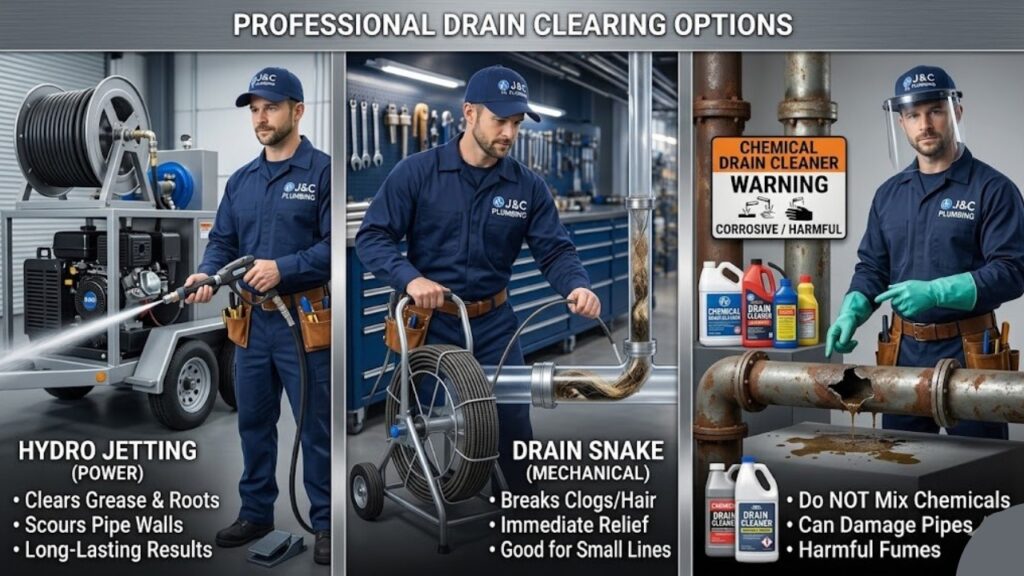
Hydro jetting is often better for recurring clogs and heavy buildup. Snaking works well for simple blockages. Chemical drain cleaners may help small organic clogs, but they do not inspect the pipe or clean the full line.
Method | Best For | Weak Spot | Long-Term Value |
Plunger | Minor toilet or sink clogs | Limited force | Low |
Basic drain snake | Simple clogs | May leave buildup behind | Medium |
Enzyme cleaner | Light organic residue | Slow results | Medium |
Chemical drain cleaner | Small clogs | Can be harsh or risky | Low |
Sewer machine | Tougher blockages | May not scrub walls | Medium |
Hydro jetting | Grease, sludge, roots, repeat clogs | Needs a pro inspection | High |
Camera inspection | Finding the real issue | Does not clear the clog | High |
Here is the beginner approach.
Try a plunger for a simple toilet or sink clog. Avoid pouring several products down the drain. If the clog returns, stop guessing.
The advanced approach is inspection first. A camera can show whether the issue is grease, roots, pipe damage, or a belly in the line.
Professional plumbers may use tools from brands like RIDGID, Spartan Tool, General Pipe Cleaners, Gorlitz, MyTana, Milwaukee, or SeeSnake. Brand names matter less than proper training. A good technician knows when to snake, when to jet, and when to recommend repair.
For repeated clogs, emergency plumbing service should not become your monthly routine.
Is Hydro Jetting Safe for Pipes?
Hydro jetting is safe for many residential plumbing systems and commercial plumbing systems when trained professionals inspect the pipe first. It may not be safe for collapsed, cracked, brittle, badly corroded, or fragile older pipes.
This is the section many competitors treat too lightly.
“No, it will not damage pipes” sounds reassuring. But it is too simple.
A better answer is this: hydro jetting is safe when the pipe is a good fit and the pressure is handled correctly.
Older pipes need more care. Cast iron, clay, corroded metal, and compromised lines can have weak spots. A camera inspection helps the plumber see pipe condition before blasting water through the line.
Hydro jetting may not be recommended if:
- The pipe is collapsed
- The pipe has major cracks
- The line is severely corroded
- The sewer line has shifted
- The pipe cannot handle pressure
- Repair should happen first
This is why you want a licensed plumber, not a rented pressure washer setup.
A sewer jetter is a powerful tool. In the wrong hands, it can create a bigger problem.
How Much Does Hydro Jetting Cost?
Hydro jetting cost depends on clog severity, blockage location, pipe access, pipe length, pipe condition, camera inspection, and whether the job involves a small drain or main sewer line. Honest pricing should come after inspection, not guesswork.
Do not trust a one-size fits all price.
A simple kitchen line is different from a main sewer line full of tree roots. A cleanout with easy access is different from a hard-to-reach drain. A healthy PVC line is different from a fragile older pipe.
Cost factors include:
- Severity of the clog
- Location of the blockage
- Drain line or main sewer line
- Pipe access
- Pipe material
- Pipe condition
- Camera inspection needs
- Residential or commercial property
- Emergency or scheduled service
Case example: A landlord with recurring tenant complaints may spend more on repeat drain calls than one proper inspection and cleaning. In that situation, hydro jetting can make sense as a maintenance solution.
For restaurants, the math is even clearer. Grease-heavy kitchen lines can disrupt business. Planned hydro jetting may reduce emergency service calls and downtime.
That is why commercial plumbing maintenance matters for restaurants, apartment buildings, and heavy use properties.
When Should You Call a Local Indianapolis Plumber?
Call a local Indianapolis plumber when clogs keep coming back, multiple drains slow down, water backs up, sewer odors appear, or you hear recurring gurgling sounds. These symptoms can point to a deeper drain or sewer line problem.
You may need hydro jetting if:
- Your drains clog frequently
- A drain snake only helps for a short time
- Several drains are slow at once
- You smell foul odors near drains
- Your toilet gurgles when water runs
- Your basement drain backs up
- Your business has heavy drain use
- Tree roots have entered the sewer line
Do not wait if sewage backs up into the home. Stop using water and call a plumber.
DIY drain cleaning has a place. A plunger is fine for a simple clog. An enzyme cleaner may help with light buildup. But hydro jetting is not a DIY job. The water pressure, nozzle direction, pipe access, and safety risk all require professional handling.
For homeowners, the next step is simple. Schedule professional hydro jetting in Indianapolis after inspection shows it is the right fit.
What is the biggest benefit of hydro jetting?
The biggest benefit is full pipe cleaning. Snaking may open part of the clog, but hydro jetting can clean the pipe walls. That helps remove grease, sludge, soap deposits, mineral scale, and debris that cause repeat clogs.
Is hydro jetting better than snaking?
Hydro jetting is often better for recurring clogs, grease buildup, sewer line buildup, and tough blockages. Snaking can still work well for simple clogs. A plumber should choose the method after inspecting the problem.
Can hydro jetting damage old pipes?
Yes, it can damage weak or compromised pipes if used carelessly. That is why older pipes need inspection first. A licensed plumber should check for cracks, corrosion, collapse, and fragile sections before hydro jetting.
Does hydro jetting remove tree roots?
Hydro jetting can clear some tree roots from a sewer line. But it does not repair the opening where roots entered. If roots keep coming back, the sewer line may need repair or replacement.
How often should hydro jetting be done?
Most homes do not need hydro jetting on a fixed schedule. It depends on clog history, pipe condition, tree roots, grease buildup, and drain use. Restaurants and apartment buildings may need planned maintenance more often.
Is hydro jetting worth the cost?
It can be worth it when clogs keep coming back. The upfront cost may be higher than snaking, but the cleaning is deeper. It may reduce repeat service calls and help avoid serious backups.
Is hydro jetting safe for the environment?
Hydro jetting uses water instead of harsh chemical cleaners. That makes it a cleaner option for many drain cleaning jobs. The bigger safety factor is making sure the pipe can handle the pressure.
Keep Your Drains Clear With Professional Hydro Jetting
Hydro jetting is one of the cleanest ways to clear stubborn drain and sewer line clogs. It removes buildup, cleans pipe walls, restores flow, and helps prevent future blockages.
But here is my honest prediction: the best plumbing companies will not sell hydro jetting as a cure-all. They will inspect first, explain the pipe condition, then recommend the right method.
For Indianapolis homeowners, that matters. Older pipes, hard water buildup, grease, tree roots, and basement drain issues all need a careful approach.
If your drain keeps slowing down after every quick fix, the problem may not be the clog you see. It may be the buildup hiding inside the pipe. What would it be worth to fix that problem before the next backup?

