

- May 10, 2026
How to Spot and Fix Sewer Line Bellies Before Replacement
Learn the warning signs, causes, diagnosis methods, repair solutions, costs, and prevention tips for sewer line bellies before expensive replacement becomes necessary.
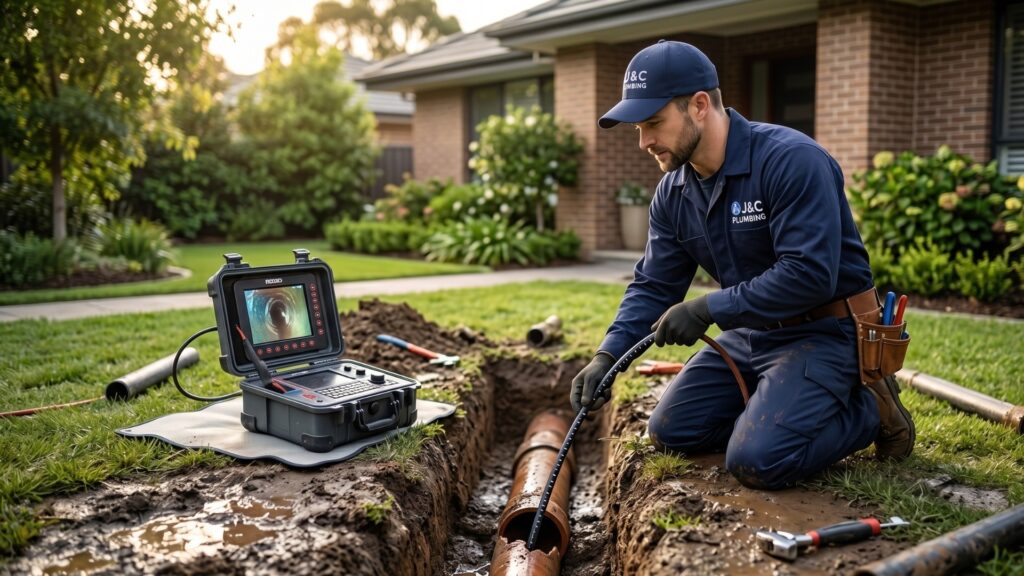
What Is a Sewer Line Belly and Why It Matters
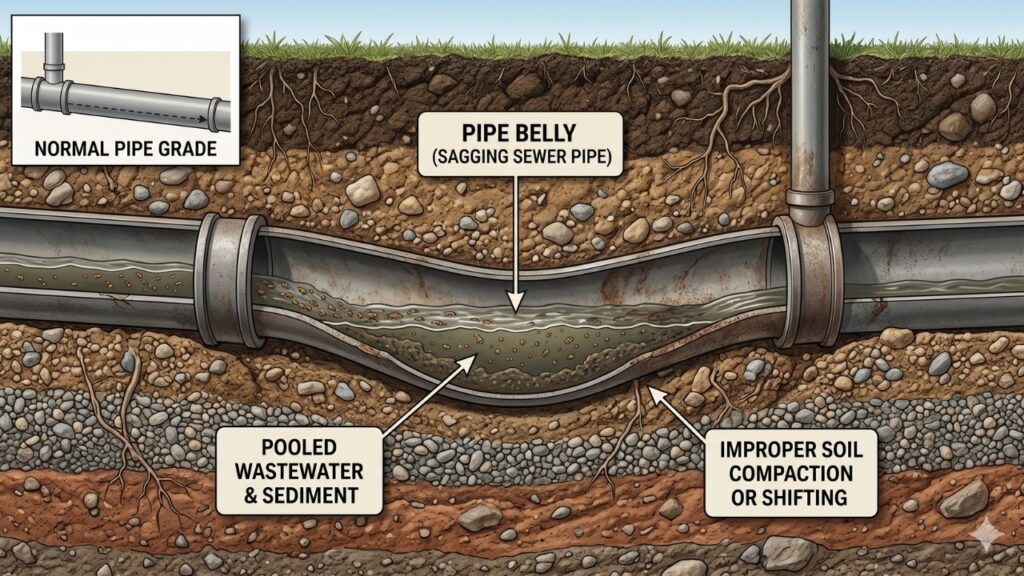
A sewer line belly occurs when a section of your sewer pipe sags below the intended slope. Instead of water and waste flowing naturally toward the main sewer, it collects in the sagging area, creating a low spot. Over time, this pooled water allows debris, grease, and solids to accumulate, leading to repeated clogs and backups.
These issues are more than an inconvenience they can cause serious property damage. Standing water in the yard or basement can weaken foundations and encourage mold growth. Bellies are common in pipes made of cast iron, PVC, or clay, each reacting differently to soil movement and aging. Cast iron may corrode over time, PVC can sag under heavy load or improper installation, and clay pipes are prone to cracking or shifting. Recognizing a sewer line belly early is crucial to prevent costly repairs and disruptions.
Common Causes of Sewer Line Bellies
Understanding why sewer line bellies form helps you prevent them.
1. Ground Shifting or Settling
Soil movement from natural settling, heavy rainfall, or construction activity can cause pipes to sag. Even small shifts over time lead to low spots in the line.
2. Poor Original Slope or Installation Errors
Soil movement from natural settling, heavy rainfall, or construction activity can cause pipes to sag. Even small shifts over time lead to low spots in the line.’
3. Tree Roots and Soil Erosion
Soil movement from natural settling, heavy rainfall, or construction activity can cause pipes to sag. Even small shifts over time lead to low spots in the line.’
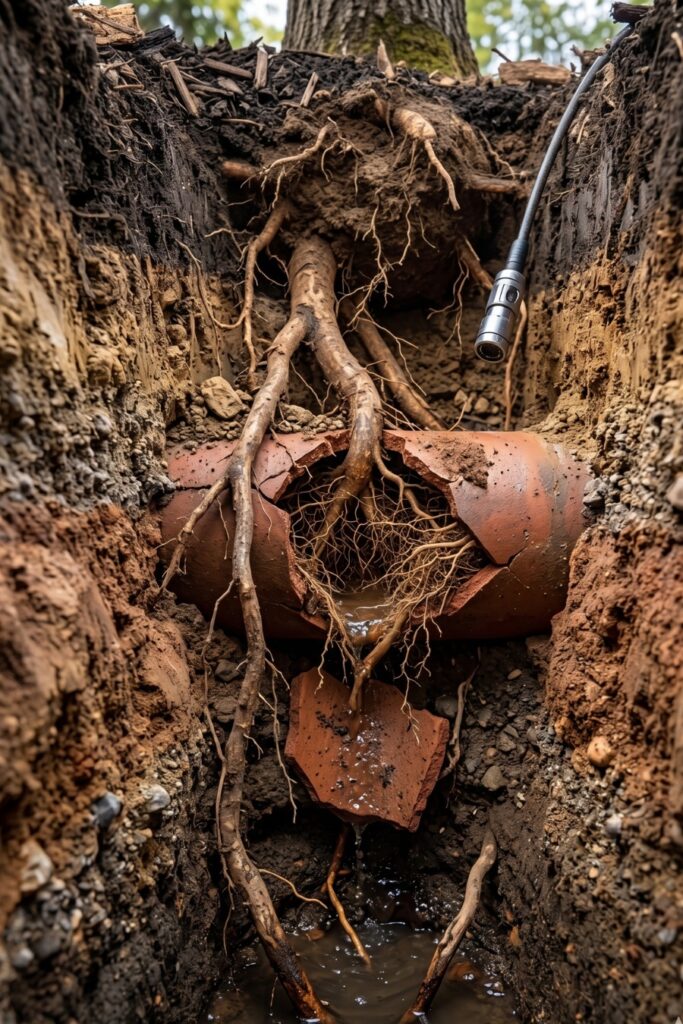
4 . Aging Pipes and Corrosion
Soil movement from natural settling, heavy rainfall, or construction activity can cause pipes to sag. Even small shifts over time lead to low spots in the line.’
5. Debris Accumulation and Structural Movement
Soil movement from natural settling, heavy rainfall, or construction activity can cause pipes to sag. Even small shifts over time lead to low spots in the line.’
Early Warning Signs of a Sewer Line Belly
Spotting a sewer line belly early can save thousands in repairs. Watch for these signs:
1. Slow Drains or Multiple Clogged Fixtures
If multiple sinks, tubs, or toilets are slow or frequently clog, it could indicate a sag in the main sewer line.
2. Gurgling Sounds in Toilets or Sinks
Strange noises often mean wastewater is trapped in a low spot, struggling to flow.
3. Sewage Odors Near Property
Persistent odors, especially in basements or yards, are a strong indicator of stagnant wastewater caused by a belly.
4. Frequent Backups in Basement or Yard
Backups usually occur when water cannot flow past the sagging area, affecting multiple drainage points.
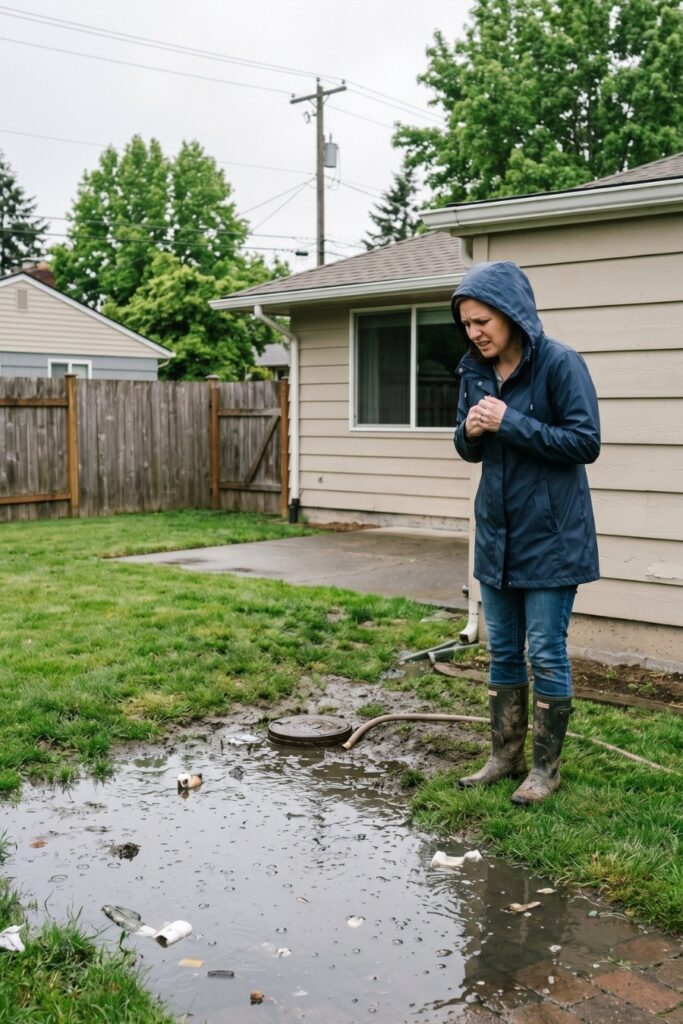
5. Standing Water or Wet Spots in Yard
Saturated soil above the sewer line often indicates a sag where water is pooling.
How Plumbers Diagnose Sewer Line Bellies
Professional plumbers use a range of tools and methods to accurately locate and assess bellies.
1. Visual Yard Inspection
A thorough visual inspection can reveal low spots, sagging pipes, or wet areas above the sewer line. This simple first step often provides immediate clues about the pipe’s condition.
2. Monitoring Drain Performance
Plumbers monitor multiple fixtures for slow draining, repeated clogs, or uneven water flow. These tests help pinpoint the section of pipe where a belly may exist.
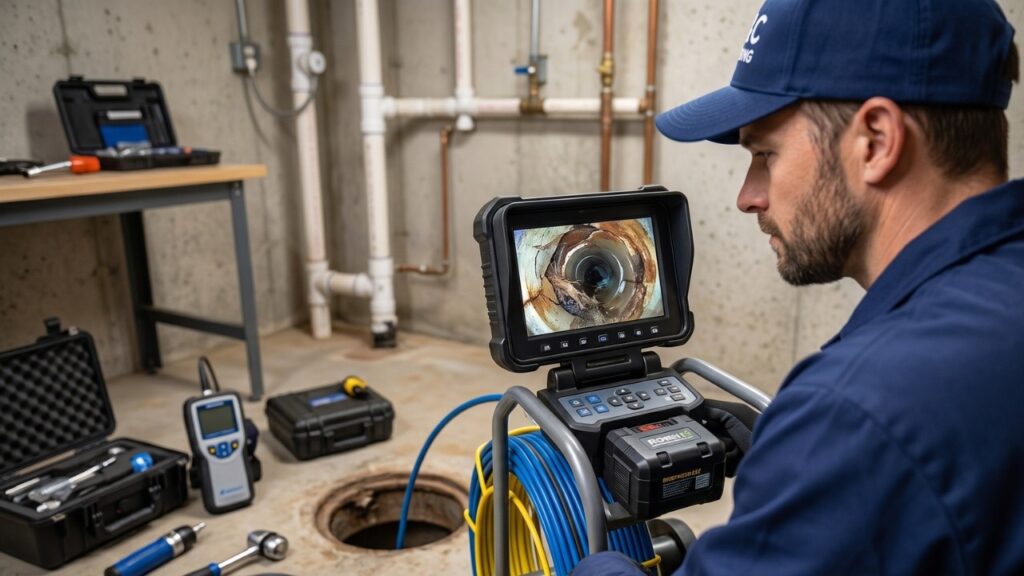
3. Sewer Camera Inspection
Using a sewer scope, plumbers can see inside the pipe, identifying sagging sections, debris buildup, or structural issues. Video footage ensures precise diagnosis..
4. Dye Testing
Dye tests highlight flow interruptions by coloring wastewater and tracing it through the system. Any pooling or slow movement confirms a belly.
5. Soil and Structural Analysis
Examining soil stability, backfill quality, and ground movement helps identify the underlying cause of the sag, which is critical for long-term solutions.
6. Smoke Testing
Smoke is pushed through the sewer line to detect leaks and airflow irregularities. Areas where smoke pools often coincide with low-flow bellies.
7. Hydrostatic Pressure Testing
This test evaluates the pipe’s structural integrity under water pressure, revealing sagging or weak sections that could fail.
8. Thermal Imaging
Thermal cameras detect temperature differences caused by standing wastewater. Sagging sections retain water, making them visible in thermal scans.
Solutions for Bellied Sewer Lines
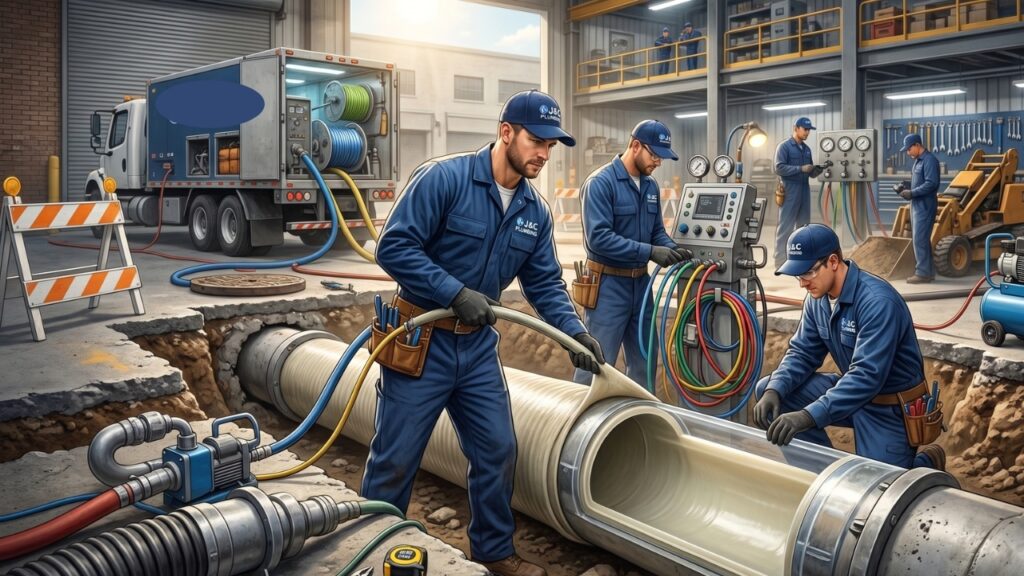
Trenchless Sewer Repair and Pipe Lining
Cured-in-place pipe (CIPP) lining is a trenchless method to repair minor bellies. A resin-coated liner is inserted into the existing pipe and cured in place, creating a smooth, reinforced pipe.
Pros:
- Minimal digging, reducing yard damage
- Improves wastewater flow
- Provides structural support to the existing pipe
Cons:
- Limited effectiveness for severely sagging pipes
- Cannot fully correct extremely low slopes
Spot Excavation and Full Replacement
For severe bellies, spot excavation or full pipe replacement may be necessary. Plumbers dig out sagging sections, replace them with new pipe, or use pipe bursting for trenchless full replacement. The choice depends on the belly’s severity, the pipe material, and site accessibility.
Preventive Measures for Future Bellies
Preventing future bellies saves money and avoids recurring issues:
- Maintain proper site drainage to avoid soil erosion
- Use quality backfill during repairs
- Monitor pipe condition with regular camera inspections
- Ensure proper slope is maintained during installation or replacement
Costs, Risks, and Lifespan
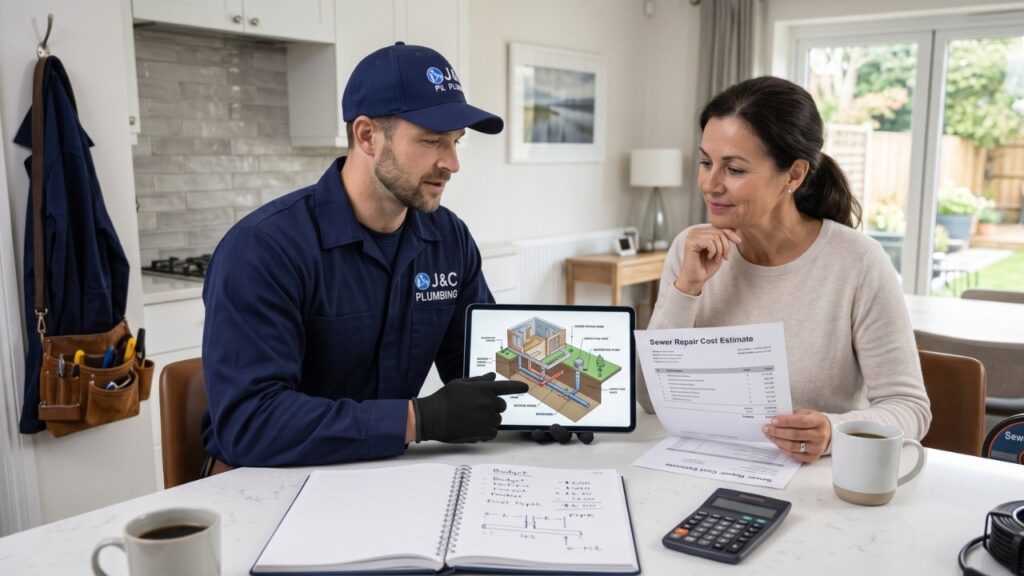
Repairing a sewer line belly varies in cost:
- Trenchless lining: $2,000–$6,000 depending on pipe length and severity
- Full excavation/replacement: $5,000–$15,000 or more for extensive sagging
Ignoring a belly increases risks: water backups, flooding, foul odors, and property damage. Proper maintenance extends the lifespan of any repair, while professional repairs often come with warranties for added peace of mind.
When to Call a Professional Plumber
Contact a licensed plumber if you notice:
- Repeated clogs or slow drains
- Gurgling sounds or sewage odors
- Standing water near the sewer line
Ask about their experience with bellied lines, check references, and carefully review proposals. Avoid unusually low quotes, which may indicate incomplete or substandard work.
What is a sewer line belly and why is it a problem?
A sewer line belly is a sagging pipe section that traps wastewater. It disrupts flow, causes backups, and can damage property if untreated
Can a bellied sewer line be fixed without full replacement?
Small bellies can often be repaired using trenchless pipe lining. Severe sagging may require partial or full excavation.
How do plumbers detect sewer line bellies?
Methods include visual yard inspections, drain monitoring, sewer camera inspection, dye testing, smoke testing, and thermal imaging.
What causes a sewer line belly to form?
Causes include ground settling, poor pipe slope, tree root intrusion, aging pipes, and debris accumulation.
How much does it cost to repair a sagging sewer line?
Repair costs range from $2,000–$6,000 for lining and $5,000–$15,000 for full excavation, depending on severity, length, and access.

