
How to Spot a Sewer Line Belly Before Replacement
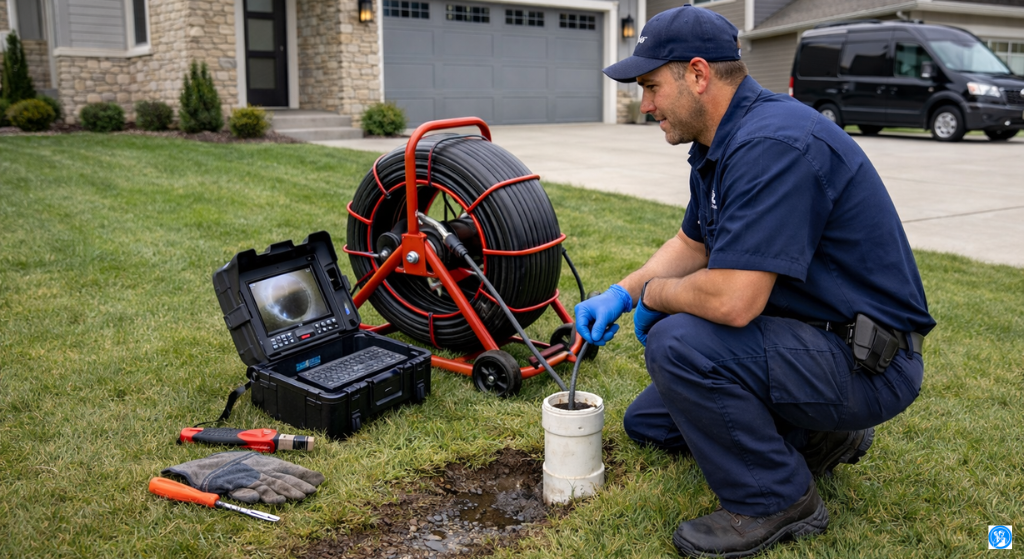
A sewer line belly is a low section in the pipe where water and waste collect instead of flowing away. It often causes slow drains, repeat clogs, sewer smells, and backups. The best way to identify it is with a sewer camera inspection and pipe slope check. Small bellies may be monitored. Severe ones usually need repair or replacement.
When homeowners hear the word “replacement,” they often panic. I understand why. Sewer work sounds expensive and disruptive. But in many homes, the smartest first step is not replacement. It is proper diagnosis. I have seen people pay for repeated drain cleaning when the real issue was a sagging pipe underground. That money would have been better spent on an inspection first.
If your sinks drain slowly, your toilet gurgles, or your yard has wet spots, do not ignore it. A sewer line belly can start small and become a larger problem over time. The good news is that modern repair options can be less invasive than many people expect.
What Is a Sewer Line Belly?
A sewer line belly is a dip or sag in an underground sewer pipe. Instead of a smooth downward slope, one section drops lower than it should. Water stays trapped in that spot.
Simple Definition
Think of pouring water through a bent straw. Some water gets stuck in the low area. Sewer pipes work the same way.
Why Proper Pipe Slope Matters
Gravity moves wastewater out of your home. If the slope is wrong, waste slows down and solids settle inside the pipe. That creates blockages and bad odors.
Why It Gets Worse Over Time
Standing water collects grease, paper, and debris. Extra weight and moisture can also weaken the area. What starts as a minor sag can become a major backup later.
What Causes a Sewer Line Belly?
Several issues can lead to a bellied sewer line.
Soil Settlement and Ground Shifting
Soil naturally moves over time. Rain, drought, and poor compaction can cause the ground under the pipe to sink.
Poor Installation or Wrong Slope
If a pipe was installed without the correct grade, problems may appear years later. I have seen new homes with drainage issues caused by rushed installation.
Heavy Weight Above the Line
Driveways, trucks, sheds, or construction equipment can put pressure on buried pipes.
Aging Pipes and Tree Roots
Older clay and cast iron pipes weaken with age. Tree roots can enter joints, move pipe sections, and worsen sagging.
Contrarian view: Many people blame roots first. In reality, roots often exploit an existing weak spot rather than create the first problem.
Early Warning Signs of a Bellied Sewer Line
Your home usually gives warning signs before a full backup happens.
Slow Drains in Multiple Fixtures
If one sink is slow, it may be a local clog. If several fixtures drain slowly, the main sewer line may be the issue.
Frequent Clogs That Return
If you clear a clog and it comes back fast, something deeper may be wrong.
Gurgling Sounds From Drains
Air trapped by poor flow often creates bubbling sounds in toilets or tubs.
Sewage Odors Indoors or Outside
A sewer smell near drains or in the yard should never be ignored.
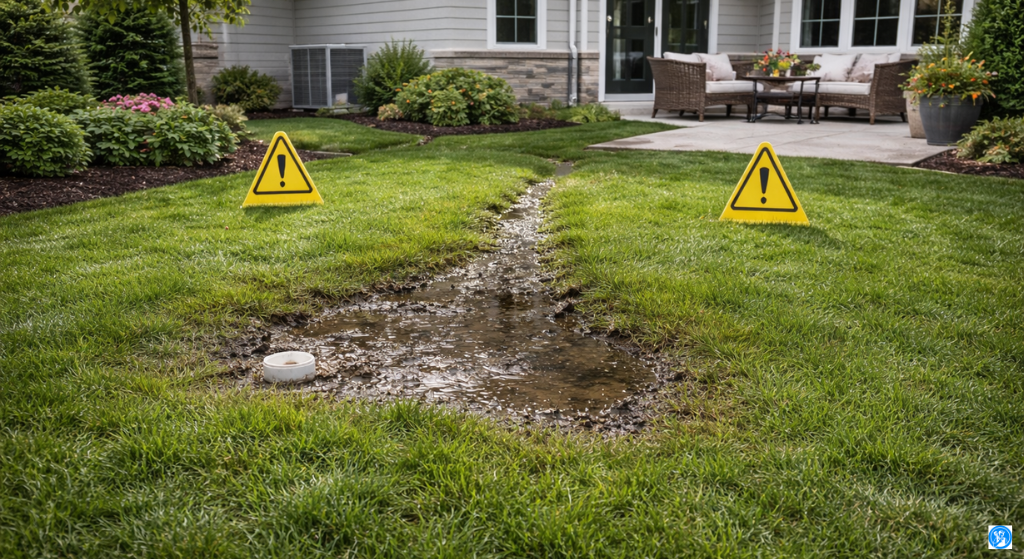
Wet Spots or Greener Grass in the Yard
Extra moisture above the sewer route can create muddy patches or brighter grass.
Quick Symptom Check Table
| Symptom | Possible Meaning | Urgency |
| Slow drains | Flow restriction | Medium |
| Repeat clogs | Debris trapped in belly | High |
| Gurgling toilet | Airflow issue in line | Medium |
| Sewage smell | Wastewater problem | High |
| Wet yard spot | Leak or standing water | High |
How to Spot a Sewer Line Belly Before Replacement
Do not approve major work without proof. Proper testing matters.
Visual Yard Inspection
Walk the yard. Look for soggy soil, depressions, or lush grass lines.
Monitor Drain Performance
Notice if problems happen after laundry, showers, or heavy water use.
Sewer Camera Inspection
This is the gold standard. Brands like RIDGID and Milwaukee Tool make professional camera systems plumbers use to inspect underground lines.
A camera can show:
- Standing water
- Root intrusion
- Cracks
- Belly length
- Pipe condition
Pipe Slope Measurement
Many pros use digital locators and level tools to confirm grade problems. This step separates a true belly from a simple blockage.
My Honest Advice
If a company recommends replacement without showing camera footage, get a second opinion.
Does Every Sewer Belly Need Replacement?
No. This is where many homeowners overspend.
Minor Bellies That Can Be Monitored
A small dip with no backups may only need routine maintenance and periodic checks.
Moderate Problems That Need Repair
If clogs happen often, targeted repair is usually smarter than endless cleaning visits.
Severe Bellies That Need Fast Action
If sewage backs up into the home or the pipe is collapsing, act quickly.
Real Case Example
A homeowner delayed action for six months because the drains “still worked.” Then a storm hit, the basement backed up, and cleanup cost more than the repair itself.
How to Fix a Bellied Sewer Line
The best repair depends on severity, depth, access, and pipe material.
Spot Repair
A plumber excavates one section and resets or replaces the damaged area. Good for isolated problems.
Full Replacement
Best for old lines with multiple failures. Higher upfront cost, but often the best long-term value.
Trenchless Pipe Lining
Companies may use systems from Perma-Liner or similar providers. A liner is inserted inside the pipe to strengthen it.
Best for:
- Structural cracks
- Limited digging access
- Preserving landscaping
Not best for:
- Major slope issues
Pipe Bursting
A new pipe is pulled through the old one while breaking the damaged line apart. Useful when full replacement is needed with less surface disruption.
Cost Comparison Table
| Repair Type | Best For | Typical Cost Range |
| Spot Repair | Small isolated belly | Lower |
| Pipe Lining | Structural rehab | Medium |
| Pipe Bursting | Full replacement path | Medium to High |
| Full Excavation | Severe or multiple issues | High |
Actual pricing depends on depth, access, city permits, and pipe length.
Why Sewer Line Bellies Are Common in Indianapolis Homes
Homes in Indianapolis often face conditions that increase sewer risk.
Older Homes and Aging Pipes
Many neighborhoods have older sewer infrastructure and original lines.
Soil Movement and Weather Changes
Indiana weather shifts moisture levels in the ground. That movement affects buried pipes.
Tree Root Pressure
Established neighborhoods often have mature trees with aggressive roots.
Local Insight
Older areas around Indianapolis can be more prone to clay pipe issues, settlement, and root intrusion than newer developments.
FAQs
What is a sewer line belly?
It is a low section in the sewer pipe where water and waste collect instead of flowing normally.
What are the first signs of a sewer belly?
Slow drains, repeat clogs, gurgling sounds, sewer odors, and wet yard spots are common early signs.
Does every sewer belly need replacement?
No. Some minor bellies can be monitored. Severe ones often need repair.
Can drain cleaning fix a sewer belly?
It may remove buildup for a short time, but it does not correct the sag in the pipe.
How much does sewer belly repair cost?
It depends on depth, length, access, repair type, and local labor rates. A camera inspection is the best first step.
Can I ignore a small sewer belly?
You can monitor it, but ignoring symptoms is risky. Small issues often grow over time.

